
Ken Griffey Jr.: From Baseball Legend to Portfolio Career Powerhouse
When you hear the name Ken Griffey Jr., you probably think about his effortless swing, that iconic backwards cap, or the way he made center field look like an art form.
He was the guy in the ’90s. A generational talent. A future Hall of Famer before he was even old enough to rent a car.
But here’s the thing about Ken Griffey Jr. that often gets overlooked:
He didn’t stop building when the cleats came off.
He quietly, confidently, and intentionally created a portfolio career—one that leveraged his passions, platform, and perspective well beyond the baseball diamond.
This is a playbook in reinvention, relevance, and building a legacy on your terms.
The Foundation: A Career Built on Excellence
Let’s not breeze past his athletic credentials:
- 13-time All-Star
- 630 home runs
- 10 Gold Gloves
- A first-ballot Hall of Famer with one of the highest voting percentages ever
Griffey wasn’t just good—he was electric.
He brought joy to the game. Swag. Personality. He was the kind of player who made kids want to play baseball and adults want to watch it again.
And that level of visibility?
It opened doors. But visibility alone doesn’t build a portfolio career. Vision does.
The Shift: Building a Post-Baseball Identity
Retirement is where a lot of athletes lose the plot.
But Griffey? He stayed focused. Quietly strategic. Intentional.
He didn’t need to be everywhere. He needed to be aligned.
Here’s how he did it:
1. From Player to Photographer
When I was a kid, Ken Griffey Jr. was baseball royalty.
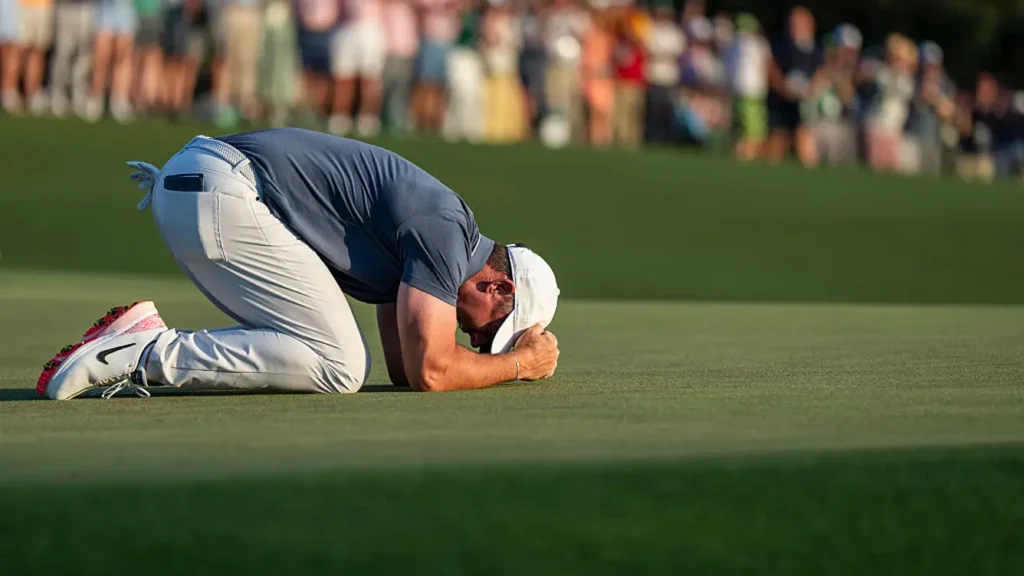
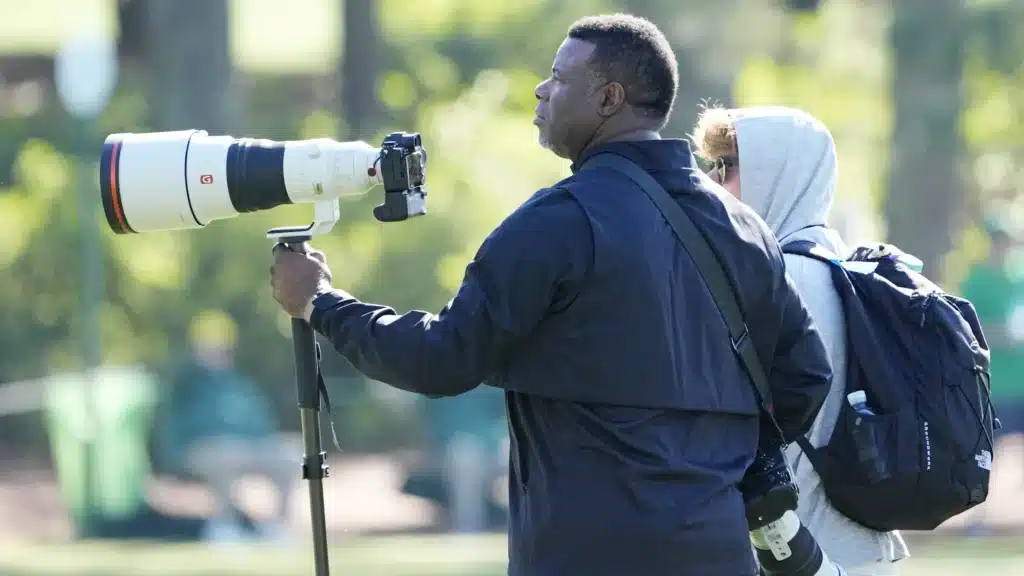
So to see him now, years later, crouched behind a camera at the Masters, photographing Rory McIlroy’s Grand Slam moment? Was so wild.
But here’s what I love most about it-
He didn’t just show up with a camera because he was famous. He put in the work. He studied the craft. He earned the lens.
Griffey’s photography journey started in the most relatable way—wanting better pictures of his kids’ games (and a way to avoid people lol).
And like a true creative, he got curious… then intentional… and eventually credentialed.
By 2021, he was on the MLB photography team.
By 2025, he was on the green at Augusta National.
And in between, he’s shot NFL, MLS, and MLB games—not as a novelty, but as a respected pro.
To me, that’s the definition of a multi-hyphenate professional. He didn’t just pivot—he layered.
He expanded.
You don’t have to pick one lane. You just have to take each lane seriously enough to grow roots there. Griffey’s not “ex-baseball player turned photographer.”
He’s both.
And he’s showing all of us what it means to keep evolving with purpose and pride.
In 2021, he joined the MLB photography team and began shooting games from behind the lens—not as a gimmick, but as someone deeply passionate about storytelling.
He didn’t just show up. He studied the craft. He put in the hours. Learned the technical side.
And now? He’s capturing the next generation of athletes in the same league he once dominated.
Passion counts—but commitment to the craft is what turns it into a professional path.
2. Sports Ambassador, Not Just a Talking Head
Griffey could have easily taken a spot behind a sports desk. Instead, he focused on roles that allowed him to shape the game’s future—not just comment on it.
He became an advisor to the MLB commissioner. He worked on initiatives to make the game more accessible to youth.
He’s used his name to support programs that emphasize fun and inclusivity—two things he always brought to the field.
Influence is more than being seen. It’s about shaping what comes next.
3. Branding, Licensing, and the Digital Era
Griffey embraced the early wave of digital and licensing opportunities. From his iconic Nintendo video game series to his partnerships with Nike and Topps, he’s kept his brand timeless.
In 2021, he joined the Mariners ownership group, becoming a part-owner of the very franchise he helped define.
That’s legacy in motion.
You don’t have to reinvent the wheel. Sometimes it’s about reinvesting in what built you.
The Portfolio Career Formula: Griffey’s Blueprint
What Ken Griffey Jr. shows us is that a portfolio career isn’t just about having multiple streams of income. It’s about:
- Leveraging your credibility
- Leading with curiosity
- Choosing depth over visibility
- Staying aligned with your values
He built a second act around meaning, not just money.
And that’s a big takeaway for any multi-passionate entrepreneur, content creator, or founder who’s wondering if it’s “too late” to pivot—or “too early” to expand.
What You Can Borrow From His Playbook
1. Start with what you’re known for—but don’t end there.
Use your expertise to open doors, then follow your interest into new rooms.
2. Develop skills that aren’t dependent on attention.
Photography. Mentorship. Ownership. These are things that live beyond a personal brand.
3. Find platforms that let you stay relevant without being performative.
Griffey didn’t jump on every media opportunity. He chose the ones that made sense.
4. Turn nostalgia into modern legacy.
He didn’t try to run from the past—he honored it, updated it, and turned it into equity.
The Power of Building a Legacy, Not Just a Résumé
Ken Griffey Jr. didn’t just play baseball. He turned a chapter into a legacy. He turned a platform into a portfolio.
And the way he did it—quietly, intentionally, with depth—is a masterclass in modern reinvention.
So whether you’re a creator pivoting into strategy, a founder adding new services, or a professional shifting careers…
Remember: you don’t need a viral rebrand.
You need alignment, ownership, and a little Griffey-level swagger.
Because a portfolio career isn’t about doing everything.
It’s about doing the right things, at the right time, with the long game in mind.

